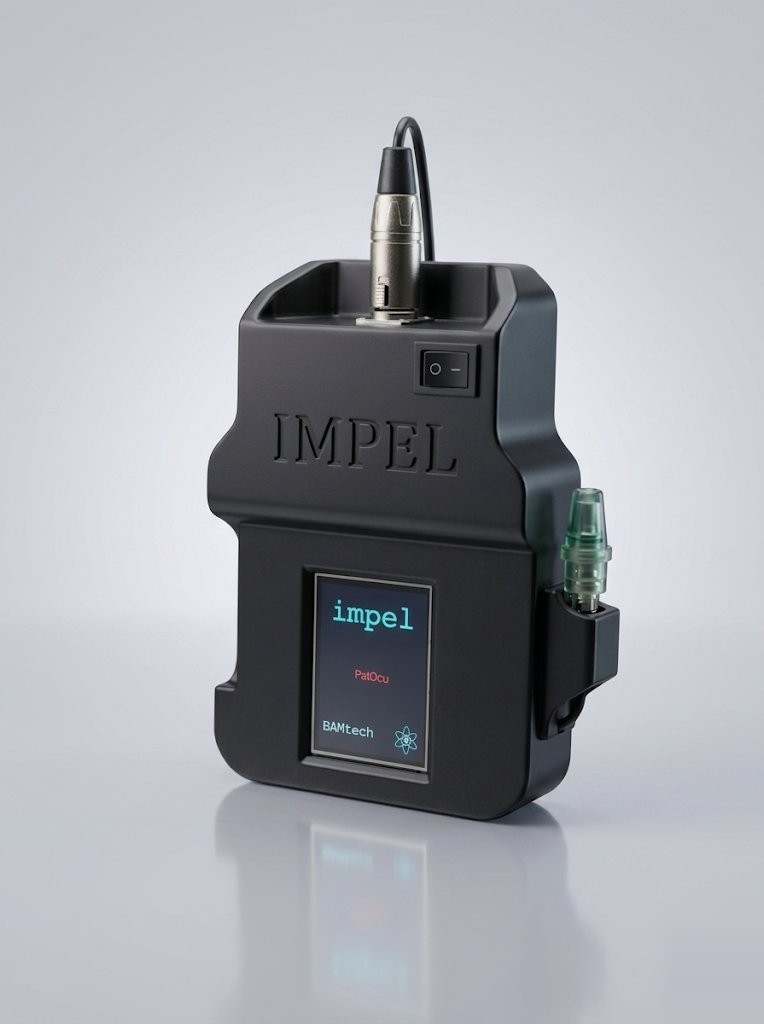
A technology platform combining ultra-high sensitivity bioelectrical sensing with artificial intelligence, developed to transform ophthalmic diagnosis from the ocular surface.
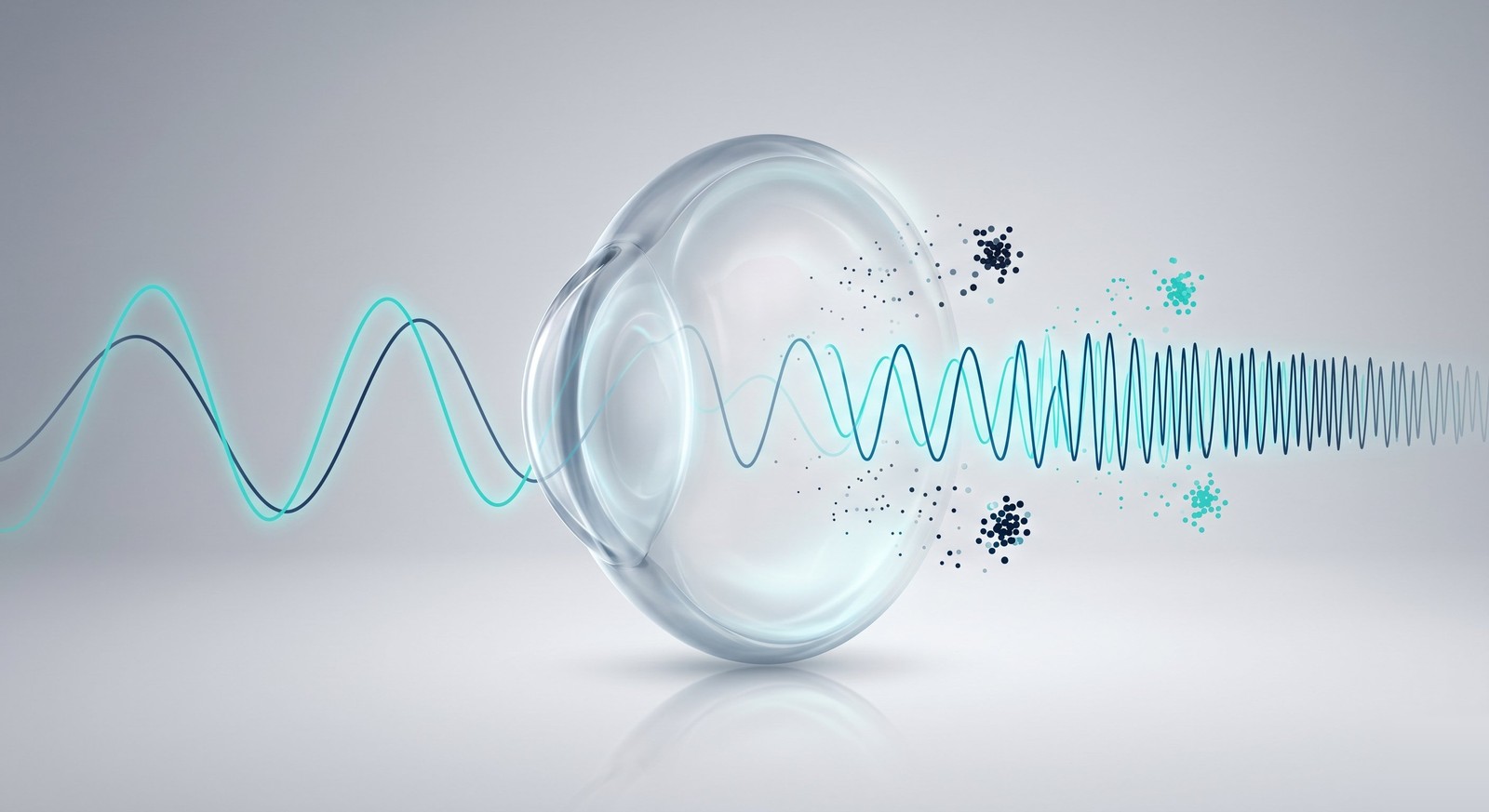
All biological tissues have unique electrical properties that reflect their physiological state. IMPEL applies an imperceptible current and measures how the tissue responds across more than 60,000 frequencies per second.
The result is a unique electrical signature that artificial intelligence interprets to classify the state of the tissue.
The information is already in the tissue. Machine learning does not create it — it interprets it.
Three elements that make the device a precision diagnostic tool.
Miniaturized electrode designed for controlled contact with the ocular surface. No biological sample collection required.
Sweep from 500 Hz to 64 kHz. Each frequency reveals a different tissue layer; together they build a complete electrical signature.
Supervised models with cross-validation interpret the tissue signature and return a diagnostic result in under one second.
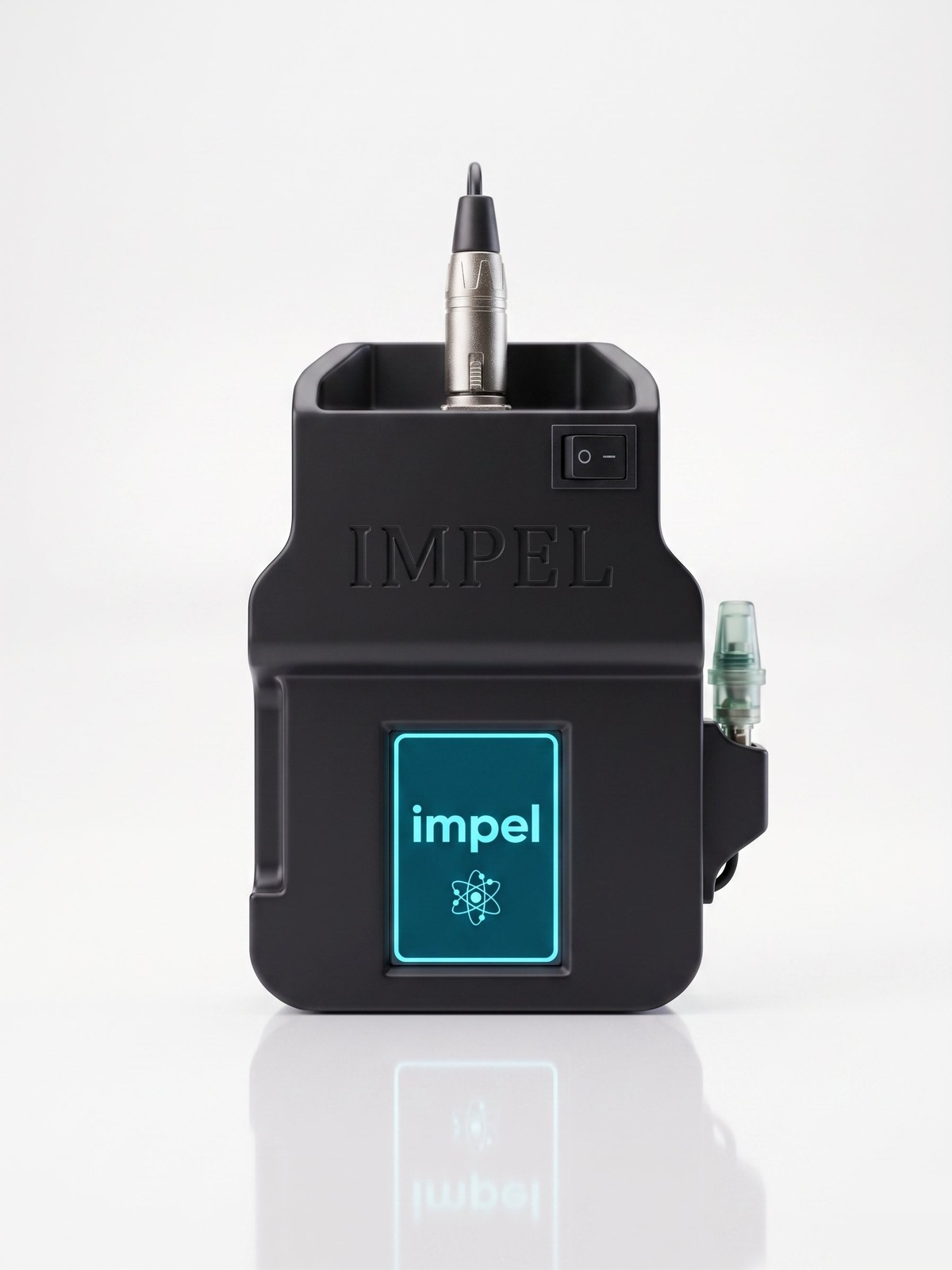
A portable, self-contained, and simple-to-use device. Sub-second acquisition, touchscreen interface, and direct sensor connection.
Designed to integrate into clinical workflow without specialized training: the physician triggers the measurement, the system returns the result.
IMPEL is not a single-indication product. It is a bioelectrical sensing platform that, through different classification algorithms, applies to multiple ocular surface pathologies on the same hardware.
First clinical indication of the device. Objective detection and characterization of dry eye disease from the ocular surface electrical signature.
Identification of pemphigoid in early stages, when physiological changes are not yet clinically evident. Preliminary results in 44 eyes.
Differentiation of corneal structural states — keratoconus, post-keratoplasty, healthy corneas — through multifrequency electrical signature.
Osmolarity estimation with superior linearity and precision compared to existing commercial systems, in a physiological range relevant for dry eye diagnosis.
The device and its applications were presented in four posters at the 2026 annual meeting of the Association for Research in Vision and Ophthalmology (ARVO), in collaboration with Buenos Aires Macula, Fundación Retina, Instituto Balseiro, and ROMAT Creator Center.
Characterization of the second-generation system through simulations, laboratory phantoms, and exploratory measurements in healthy and pathological subjects.
View poster →44 eyes evaluated — 28 healthy controls and 16 patients with biopsy-confirmed pemphigoid. Discriminant component with robust separation between groups.
View poster →Phase-space representation of normalized capacitance and resistance. Distinctive patterns according to corneal structural state.
View poster →Controlled experimental osmolarity model. IMPEL shows superior linearity and lower dispersion compared to the current commercial standard.
View poster →Validated technology, granted patent, regulatory in progress.
Hardware and measurement method — United States
Four posters presented with preliminary results
Operational hardware, optimized shielding, clinic-ready
Path to US clearance underway
We welcome conversations with investors, strategic partners, clinical institutions, and ophthalmology professionals interested in the project.
BAMtech Devices
EMAIL vsaravia@bamtechdevices.com PHONE +54 11 3399 5123